Advancing Pipeline Safety: Modern Detection Technologies
- Home
- Building Construction
- Advancing Pipeline Safety: Modern Detection Technologies
In today’s rapidly evolving industrial landscape, pipeline infrastructure faces unprecedented challenges. Recent industry data reveals that aging infrastructure and stringent regulatory requirements have made advanced detection technologies not just beneficial, but essential for operational success. With global studies indicating that 75% of pipeline operators acknowledge the urgent need for modernization, the industry stands at a crucial turning point in safety and maintenance approaches.
The significance of pipeline integrity cannot be overstated, particularly in oil, gas, and utility operations. Traditional inspection methods are no longer sufficient to meet current safety standards and operational demands. Modern detection technologies have emerged as the cornerstone of effective pipeline management, offering unprecedented capabilities in preventing leaks, minimizing environmental impact, and ensuring continuous operations.
Ground Penetrating Radar (GPR) technology represents a revolutionary advancement in pipeline safety. Unlike conventional methods, GPR provides comprehensive subsurface imaging without any invasive procedures. This sophisticated technology penetrates deep beneath the surface, creating detailed three-dimensional visualizations of pipeline conditions in real-time. In complex underground infrastructure environments, GPR has proven invaluable, detecting potential issues long before they escalate into critical problems. Industry studies show that early detection through GPR can reduce repair costs by up to 70% while significantly extending infrastructure lifespan.
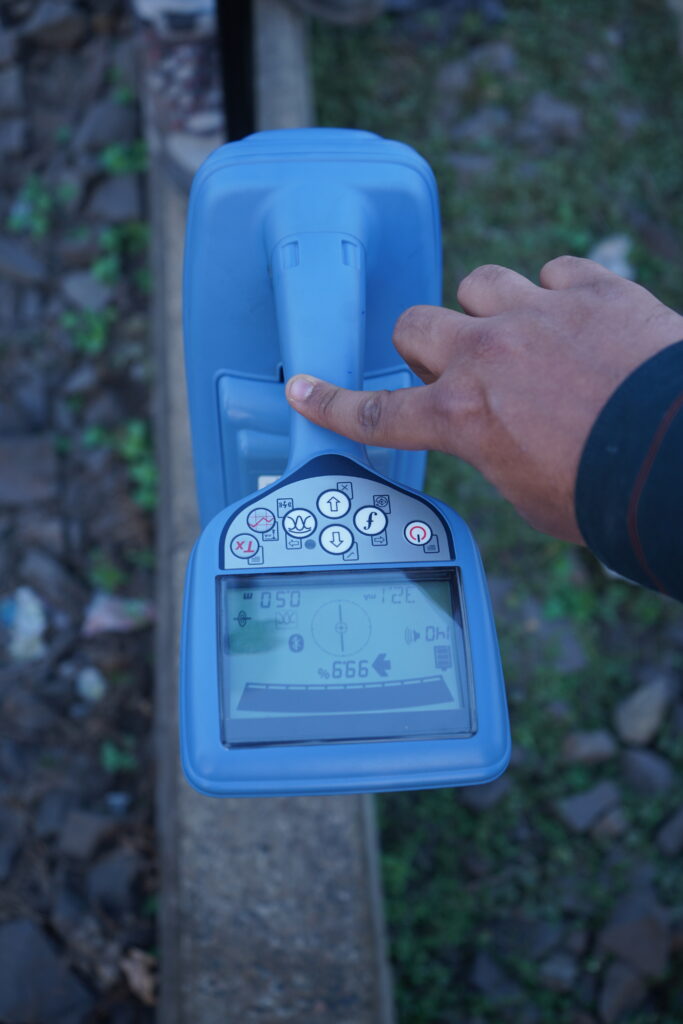
Precision Cable and Pipe Locators have evolved into highly sophisticated tools that transform how we monitor pipeline networks. These advanced systems offer unparalleled accuracy in depth and position measurements, utilizing cutting-edge signal processing capabilities that filter out environmental interference. With multiple frequency options, these locators can adapt to various pipeline materials and depths, ensuring comprehensive coverage across diverse infrastructure networks. Recent implementations have shown a remarkable 97.4% accuracy rate in leak detection using these advanced systems.
Pipeline Current Mapping (PCM) technology has revolutionized how we approach pipeline maintenance. This innovative system provides exhaustive coating defect assessments, identifying potential corrosion risks with unprecedented precision. By enabling data-driven maintenance planning, PCM helps operators prevent faults before they occur. The technology has demonstrated particular success in corrosion monitoring, with recent case studies showing that PCM systems identified 67% more potential failure points than traditional inspection methods.
The implementation of these modern detection solutions delivers substantial operational benefits. Organizations report significant reductions in downtime through preventive maintenance, with some achieving up to 40% decrease in emergency repairs. Enhanced safety compliance not only meets regulatory requirements but often exceeds them, while repair costs have shown marked reduction through early intervention. Perhaps most importantly, these technologies substantially extend infrastructure lifespan, with some operators reporting up to 25% increase in asset longevity.
Looking toward the future, pipeline safety is poised for even greater transformation. The integration of advanced detection technologies with artificial intelligence and predictive analytics promises to revolutionize maintenance strategies. Cloud-based platforms are becoming standard for data management, enabling seamless collaboration and improved decision-making. The industry is moving decisively from reactive to proactive safety management, with 60% of operators planning to implement machine learning solutions within their five-year strategy.
Success in implementing these technologies requires a comprehensive approach. Regular scheduled inspections must be complemented by thorough staff training programs that ensure optimal utilization of these advanced systems. The integration with existing safety protocols ensures a smooth transition while maintaining operational continuity.


Leading distributor of test & measurement instruments with over 35 years of expertise in delivering cutting-edge solutions.
- © Copyright 2025 by RiperValley